
If you pay extra for energy efficiency features in your house, the payback time can be calculated. That is, how long does it take for the extra cost of those energy efficiency features to be offset by the saved cost of using less energy?
This approach, while it sounds straightforward, can become complex very quickly!
For example, if we consider a PV solar panel array, the payback time also needs to take into account the expected life of the system – say, 25 years. (That said, solar panels do have a short payback time.) HV batteries? At the time of writing, payback times are less clear and depend on aspects such as whether you charge an EV overnight.
However, this blog is about the house design itself. In short, any energy efficiency measure that substantially increases the cost of the house is likely to have a very long payback time.
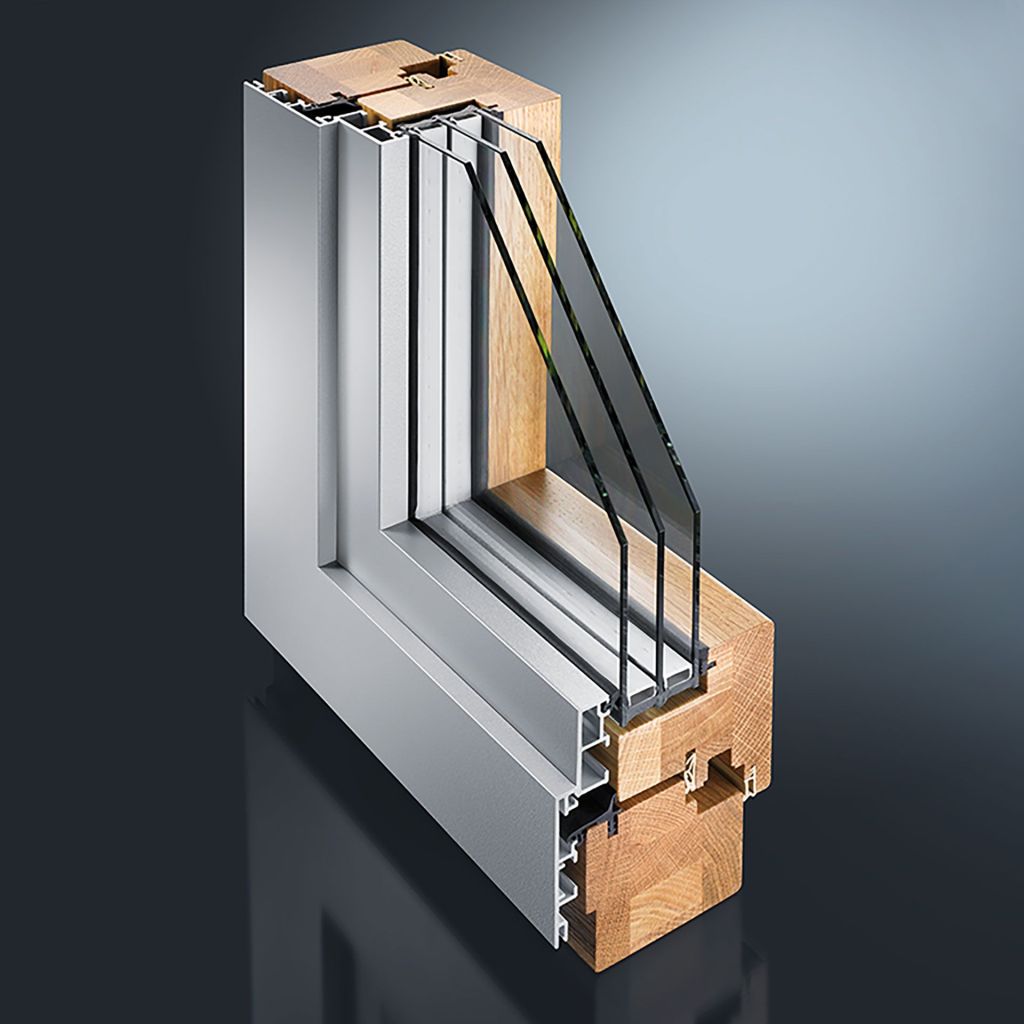
I don’t want to use dollar figures here as they’ll quickly go out of date, but an easy way of doing the calculation is to be dramatic. For example, let’s say that a particular combination of features (e.g. doubled insulation and associated different construction, a highly sealed house and mechanical ventilator, super high-performance windows) reduces annual heating and cooling energy costs to zero. Yes, zero.
Look then at the current annual average household cost of heating and cooling in Australia (a figure readily available online) and then divide the extra cost of the house features by that figure.
Often, you’ll find that such expensive construction has a best-case payback time of 50-100 years. This is because, in the context of the cost of building a house, annual heating and cooling energy costs are small.
People pushing expensive energy efficient house designs often say that, longer term, you will save money. This is usually not the case (you won’t live long enough), and if the extra money that the house had cost had instead been securely invested, never the case.
Now of course having an energy efficient house has huge advantages that don’t involve money (e.g. comfort, liveability, etc) but be wary of economic arguments used to justify spending a lot more on an energy efficient home. They very seldom stack up.
On the other hand, design approaches that can cost no extra at all (orientation, shading, thermal mass, interior zoning, etc) are unambiguously a positive.
A final note. If you’re interested in payback times, don’t worry about trying to calculate them in fine detail. Just get a feel for the figures – is the likely payback time of an extra cost feature 10 years – or 100 years?
 Australian Passive Solar Home
Leave a comment